
Pursuant to UN General Assembly resolution A/RES/79/53
Countering the threat of improvised explosive devices through shared knowledge
A global compendium of effective national measures to prevent, prepare against, mitigate and counter threats posed by improvised explosive devices.
Improvised explosive devices (IEDs) pose a significant, multi-faceted and evolving threat to peace, security, stability, and development worldwide. The UN General Assembly (UNGA) and Security Council have recognized this threat and called on Member States to develop and share effective measures.
In resolution A/RES/79/53 (2024), the UNGA reiterated its call on States to share, on a voluntary basis, information with UNIDIR including details of good practices, lessons, and experiences in adopting measures to prevent and counter IEDs, in order to inform this online compendium.
This Compendium has been developed by UNIDIR pursuant to resolution 79/53. It provides a structured, anonymized and searchable repository of practical measures and practices drawn from national experiences across different regions. It is intended to inform and inspire States and other relevant stakeholders in their efforts to prevent and counter the threat posed by IEDs.
Browse a structured, anonymized repository of national measures to prevent, prepare against, mitigate and counter IED threats, drawn from voluntary contributions by Member States from different regions.
Access thematically and geographically structured information to support research, analysis and evidence-based policymaking.
Leverage cross-regional evidence to identify common gaps and align technical assistance including capacity-building with national priorities, particularly relevant to UN entities, regional organizations and implementing partners.
United Nations Institute for Disarmament Research. Counter-IED Compendium. Accessed DD Month YYYY. https://cied.unidir.org
Database
0 entriesLoading database…
No entries match your current filters.
Building a shared knowledge base on counter-IED measures
Since 2020, more than 25 States from different regions voluntarily used UNIDIR’s Counter-IED Capability Maturity Model and Self-Assessment Tool (CMM and SAT). Yet, despite this global use and information generated, States have lacked a shared resource to exchange information and practical measures to counter threats posed by IEDs.
In Resolution A/RES/79/53 (2024), the UN General Assembly reiterated its call on interested and affected States to use UNIDIR’s model and tool, and encouraged all States to share (on a voluntary basis) information with UNIDIR, "including details of good practices, lessons learned and national experiences in adopting measures to prevent and counter [IEDs], in order to strengthen the development of an online compendium of effective national measures".
This platform is UNIDIR’s direct response to that mandate. Developed by UNIDIR’s Conventional Weapons Programme, it consolidates practical, anonymized measures drawn from national experiences across different regions.
The Compendium conceptually builds on UNIDIR’s Counter-IED Capability Maturity Model (CMM), which promotes a comprehensive approach to addressing IEDs. Furthermore, it is designed to align with and iteratively inform the UN whole-of-system approach to Countering IEDs. By synthesizing data from a diverse range of complementary sources, the Compendium ensures both depth and breadth of coverage across regions, capability areas and maturity levels.
CMM and Self-Assessment Tool uses
Since 2020, at least 25 Member States across different regions voluntarily used and applied UNIDIR’s CMM and Self Assessment Tool. The outputs of these self-assessments form a core evidence base, offering detailed insights into national Counter-IED measures, practices and capabilities.
Structured questionnaires
In early 2026, UNIDIR circulated a structured questionnaire to all UN Member States, inviting voluntary contributions of lessons learned and national experiences. All responses were treated with full confidentiality.
Official documents and presentations
Complementary information from official government documents, national presentations to UN bodies and relevant intergovernmental fora enriches the evidence base, helping ensure wider coverage across all regions and components.
From data to Compendium: The process
Information was gathered through the complementary sources described above, covering 19 components and different regions. Contribution by Member States and partners was entirely voluntary.
Collected information was systematically reviewed, coded and consolidated. Measures addressing similar challenges or following comparable approaches were grouped to surface cross-national patterns and draw out practical insights of broad relevance.
All entries in this Compendium are anonymized as a matter of principle, ensuring that no specific State is identified. This approach reflects the preferences of some contributors, but has been applied universally to ensure consistency and equitable treatment of all contributors.
The consolidated entries were individually reviewed by an independent expert reference group, comprising national and international multi-disciplinary experts. This review process ensures rigour, accuracy, and relevance across all components and maturity levels.
Analytical framework: The Counter-IED Compendium approach
The UN WoS Approach organizes counter-IED activities into 19 components (covering both upstream (preventive) and downstream (responsive) activities, as well as cross-cutting issues) structured around the IED event timeline. This framework underpins the structure of the Compendium’s database. Recognizing diverse national contexts, this framework remains inherently adaptable for Member States, offering the flexibility to consider additional components as needed.
(Source: UNIDIR / UN Secretary-General Report 2024)
Source: UN Secretary-General Report A/79/211 (2024)
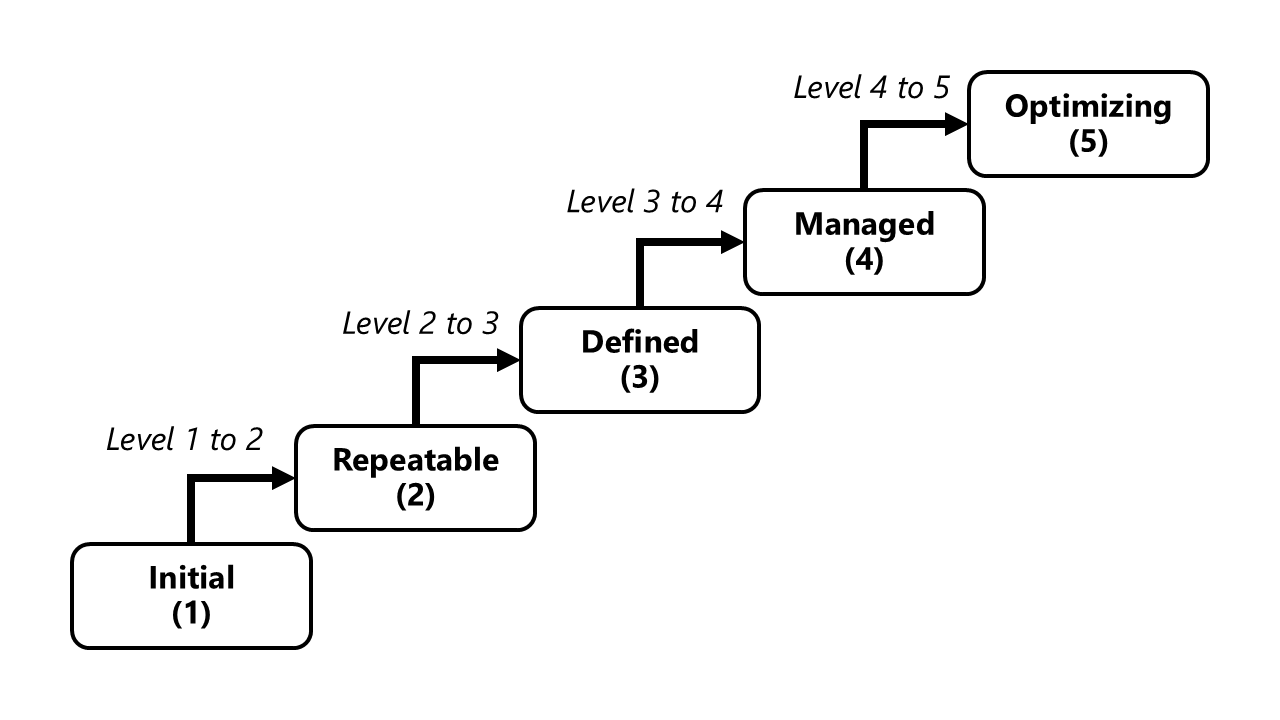
Source: UNIDIR Counter-IED CMM and SAT
The Counter-IED Compendium 19 components
Each of the 19 components addresses a distinct aspect of a comprehensive national counter-IED effort. Brief descriptions are provided below.
A systematic assessment of national counter-IED prevailing threat landscape, gaps and capabilities is the essential starting point for any coherent national counter-IED approach. Without a clear and regularly updated threat picture and existing national capacities expected to address it, it is not possible for a State to prioritize measures or allocate resources effectively. Assessments should be conducted through structured methodologies, be gender- and age-sensitive, and encompass the full spectrum of actors (government, security forces, and civil society) involved in the national counter-IED effort.
Successful national approaches to countering the threat posed by IEDs are underpinned by an overarching policy that defines a whole-of-government strategy for preventing and mitigating the effects of IED use by non-state armed groups including groups designated as terrorist groups and individuals. This is because an effective counter-IED strategy requires a coordinated, cross-government approach supported by the full weight of appropriate legal and regulatory frameworks, including national strategies, legislation governing explosives and explosive precursors, and measures designed to strengthen political and institutional commitment. Effective security sector governance and compliance with applicable domestic and international law (including international human rights law and international humanitarian law) are fundamental to successful and legitimate counter-IED activities.
Diversion of lawfully held explosives has been a significant source of explosive material used by non-state armed groups including groups designated as terrorist groups and criminals in the manufacture of IEDs. Thus, States have to ensure that all legitimate stockpiles of explosives are denied as a source for IED construction. Robust measures are required at every stage of the life cycle of explosives (from manufacture or import, through marking or tagging, transport, storage and issue, to final use or disposal) encompassing stockpile security, licensing regimes, physical security standards and accountability mechanisms throughout the supply chain.
IED risk awareness and education is important as it reduces the risk of death and injury from IEDs through the raising of public awareness and the promotion of safe behavior by means of public information campaigns, education and training, and community liaison. The dynamic nature of the IED threat requires that public risk awareness, education and messaging be consistently and regularly updated as the tactics, techniques and procedures evolve. Effective communication with affected communities is an essential prerequisite, and community involvement (including the meaningful participation of women and local civil society actors) plays a crucial role in ensuring that public messaging is adequately targeted, assimilated and integrated into behaviors.
Effective counter-IED capability development efforts cover all the measures needed by a State to acquire the full range of capabilities required to counter the threats posed by IEDs. All individual counter-IED capabilities need to be developed within the context of the broader national strategy and must be appropriate to the State’s security environment and legal framework. This includes training, equipment acquisition and the institutional development of civilian and security sector actors. A key element of counter-IED capability development is horizon scanning and the timely development of responses to predicted future IED threats, ensuring that national capacity keeps pace with an evolving and increasingly complex threat landscape.
Effective border controls play a critical role in countering the transnational proliferation of IED components by stopping illicit flows before they can be exploited for the manufacture of IEDs within the State. In States where there is no domestic manufacturing capability for key IED dual-use items, effective border controls can significantly inhibit the ability of groups and individuals to source materials. This requires trained personnel equipped with appropriate detection technology and coordinated border management procedures.
Effective controls on explosive precursors including chemical precursors can significantly reduce the ease with which homemade explosive compounds and mixtures can be manufactured by groups and individuals. One of the principal challenges States face is the dual-use nature of most precursors used in the manufacture of IEDs, which requires a careful regulatory and enforcement approach that covers monitoring of commercial sales, import controls and reporting obligations without unduly restricting legitimate commerce.
International and regional cooperation, including information-sharing, are crucial to preventing the illicit acquisition of IED components and the use of IEDs, since those involved in IED manufacture and deployment generally do not recognize international borders and IED materials may be sourced in one State for misuse in another. A purely national approach to the control of IED components, including explosive precursors, is unlikely to be sufficient to address the IED threat in its entirety. It is therefore essential that a transnational approach is taken, encompassing bilateral and multilateral cooperation frameworks, cross-border information exchange, joint operations and active engagement with international and regional bodies. Effective cooperation and engagement with relevant international, subregional and regional organizations is critical to addressing the transnational nature of the IED threat, and States are encouraged to designate a national lead entity or focal point through which such cooperation is channeled.
Intelligence-led counter-IED operations, conducted on the basis of the rule of law and in full compliance with international human rights law, form an essential part of a State’s efforts to prevent the use of IEDs, since the proactive use of intelligence to interdict individuals or groups before they can manufacture and deploy IEDs is an effective upstream counter-IED measures available to a State. The collection, analysis and dissemination of intelligence (encompassing both tactical and strategic functions, and drawing on human intelligence, signals intelligence and open-source intelligence) must be underpinned by robust inter-agency cooperation and secure information management systems. A plethora of useful information may also be derived from the forensic exploitation of recovered IED components, which, when fused with other intelligence sources, can enable the State to disrupt IED networks, interdict materials and pre-empt attacks.
The ability to neutralize IEDs and to deal safely with recovered explosive ordnance is a fundamental responsive capability required by all States that face an IED threat. The immediate response to an IED incident is normally conducted by a trained and equipped explosive ordnance disposal (EOD) or IED disposal (IEDD) team, whose principal purposes are to save lives, prevent damage, restore the situation to normal and assist in the collection of items from IEDs that have been rendered safe so as to facilitate technical exploitation and the identification of those responsible for their manufacture and deployment. The United Nations, supported by Member States, has invested considerable effort in the development of standardized, progressive training programmes covering explosive hazard awareness, conventional munitions disposal and IEDD, which provide a recognized international benchmark for the development of national render safe capabilities.
The preservation, collection and analysis of forensic evidence recovered from IED incident scenes is fundamental to establishing effective upstream and downstream counter-IED measures. IED scene exploitation begins at the point where an IEDD team has rendered a scene safe and covers all subsequent activities up to the point at which all relevant material and information has been recorded and recovered, with the priority at all times being the preservation of life. The quality of information and evidence collected is dictated by the training and level of forensic awareness of those conducting the render safe process and of those who subsequently exploit the scene, making effective joint training between render safe and scene exploitation teams an essential element of national counter-IED capability.
Thorough forensic analysis of recovered IED material is fundamental to determining how an IED was designed to function and, subsequently, who may be responsible. States must possess or have access to accredited forensic analysis laboratories capable of conducting the chemical analysis of explosive compositions, the evaluation of visible and latent forensic evidence (including fingerprints, DNA, fibers, tool marks and explosive residues) and the technical assessment of electronic IED components. The analysis of recovered IED components and the correct identification of their origins represents the critical first stage for subsequent investigations, and the information derived feeds into counter-IED targeting strategies, the development of countermeasures and IED risk education programmes.
A robust and effective approach to information management underpins most successful whole-of-government approaches to countering the use of IEDs, since it is the process of collecting, organizing, storing and providing information within and across the agencies involved in a national counter-IED effort. Modern computer-based information systems and networked communications can improve the efficiency of information dissemination across geographically dispersed entities, though information overload can be a problem and it is essential that automated data collection systems are accompanied by appropriate tools to handle large volumes of data. Effective information management processes are also a key prerequisite for the sharing and exchange of IED-related information and intelligence with relevant regional and international stakeholders and partners.
The technical exploitation and characterization of recovered IEDs is intended to decipher the intentions of those building and deploying them, addressing the "so what" questions generated by formal forensic analysis and determining why an IED incident has occurred and what its perpetrators sought to achieve. A thorough technical exploitation of a recovered IED may identify the source or sources of supply of specific IED components, link incidents through the evaluation of maker signatures, inform the development of countermeasures and guide the future training of IEDD teams and other members of the security forces. Effective technical exploitation also enables the State to establish a clear picture of the technical capabilities of those manufacturing and deploying IEDs and to identify their method of operation, thereby contributing to the prediction of future activity.
The identification of those involved in the manufacture and use of IEDs is a fundamental tenet of effective counter-IED operations and related accountability processes. Perpetrators may be identified through a variety of intelligence techniques (including human intelligence, signals intelligence and open-source intelligence) but it is the use of forensic and biometric intelligence derived from the exploitation of recovered IED components that provides the most definitive method of linking individuals to specific incidents. States should ensure that robust inter-agency coordination mechanisms are in place to integrate the various sources of information and intelligence available to them, and that their investigative capacities operate in full compliance with applicable international and domestic law.
All IED incidents are, in essence, crime scenes, and the harm caused to individuals and communities extends well beyond the immediate physical effects of an explosion. A comprehensive national counter-IED strategy therefore includes robust provision for emergency medical response, long-term rehabilitation, psychosocial support and legal assistance for those affected. States should ensure that victim assistance is designed and delivered in accordance with international humanitarian and human rights standards, and that data on casualties is systematically collected, gender- and age-disaggregated, and used to inform policy, risk education programmes and the allocation of medical and support resources. The meaningful participation of victims and affected communities in the design of assistance programmes is essential to ensuring that support is adequately targeted and that it addresses the full range of needs arising from IED incidents.
All IED incidents are crime scenes, and it is essential that forensic evidence is collected and managed with full cognizance of applicable law so as to enable the prosecution of perpetrators in accordance with the rule of law. Most States require no special legislative measures to deal with IED-related offences, as the procedures developed for other serious crimes are generally sufficient It is, however, usually necessary to develop specialist techniques and procedures for the preservation, collection, analysis and presentation of IED-related material in criminal proceedings. It is equally essential that States provide sufficient protection for all those involved in the administration and delivery of justice (including judges, prosecutors, prison officers and investigating officers) against any credible threat arising from their involvement in IED-related cases.
The ability to respond to changes in the use of IEDs is fundamental to an effective counter-IED strategy, since it is through the ongoing adaptation, updating and strengthening of the national response that the State is able to keep pace with an evolving and increasingly complex threat. Counter-IED maturity is, in effect, a measure of the capacity of the State to implement a feedback loop, by learning from recovered IED material, operational experience and analysis of incident data in order to develop effective technical solutions, including electronic countermeasures, protective equipment and vehicle hardening. The recovery of IED components, particularly from remotely initiated devices, is crucial to informing the development of countermeasure systems, and analysis of recovered material should feed systematically into research and development processes as well as into the updating of training and risk education programmes.
A gender- and diversity-sensitive approach to counter-IED activities is a cross-cutting requirement that should be embedded across all components of the national counter-IED effort, rather than treated as a standalone or secondary consideration. An effective counter-IED strategy should include a human rights impact assessment that is gender- and age-sensitive, and that takes into consideration the differentiated needs, roles and rights of all members of the population (including women, children, persons with disabilities and other groups) that may face particular vulnerabilities in the context of IED use. Integrating gender and diversity perspectives enhances the effectiveness of IED risk education, victim assistance, intelligence-led operations and community engagement, since an inclusive approach to counter-IED programming is more likely to reach, protect and meaningfully involve the full range of people affected by the IED threat.
The UNIDIR Counter-IED Capability Maturity Model and Self-Assessment Tool (CMM and SAT) provides a structured methodology for States to assess their national Counter-IED capabilities, enabling States to identify gaps, track progress, and prioritize areas for improvement.
Access the CMM and SATContributions
The knowledge base underpinning this Compendium reflects voluntary contributions by a broad range of Member States from different regions. UNIDIR is grateful to all those who have shared their national experiences and measures. Member States are invited to continue contributing — please visit the page.
Member States
UN and other international organizations
Regional organizations
Non-governmental organizations
 UNMAS — UN Mine Action Service
 UNODC — UN Office on Drugs and Crime
 UNODA — UN Office for Disarmament Affairs
 UNOCT — UN Office of Counter-Terrorism
UNCTED — Counter-Terrorism Committee Executive Directorate
UNOCT — UN Office of Counter-Terrorism
UNCTED — Counter-Terrorism Committee Executive Directorate
 UNDP — UN Development Programme
 Small Arms Survey
 H&I — Humanity & Inclusion
Acknowledgments
Development of the Compendium
This Compendium was developed by Theò Bajon, with the support of Igor Barreto and Hardy Giezendanner, and with valuable contributions from Elia Itin and Alexandra Kuimova.
Contributors and reviewers
UNIDIR extends its sincere appreciation to all representatives and experts from Member States, United Nations entities, regional and subregional organizations, and non-governmental entities who shared knowledge, experience and practical insights in support of this Compendium. We are also grateful to the external reviewers whose expertise and thoughtful review helped strengthen its rigour, accuracy and relevance.
About UNIDIR’s Conventional Weapons Programme
The Conventional Weapons Programme (CWP) works to prevent and mitigate the negative impact of the unregulated proliferation and misuse of conventional weapons, ammunition, parts and components, including components used in the manufacture of IEDs. The CWP provides action-oriented research, space for dialogue, ideas and practical tools to States and other relevant actors. The programme delivers, upon request and on demand, advice, support, capacity-building and practical tools to States and other relevant actors.
Learn more about the programmeDisclaimer
The content of this Compendium is provided for informational purposes only. It does not necessarily reflect the views or positions of the United Nations, UNIDIR, its staff, donors or contributors, and does not constitute legal, policy or operational advice. The inclusion of any measure, practice or material does not imply endorsement, recommendation or validation by the United Nations or UNIDIR. All information has been anonymized and consolidated. Users remain responsible for assessing its relevance and applicability in their own national context and in accordance with applicable domestic and international law.
Contribute to the Compendium
Pursuant to resolution A/RES/79/53 (2024), Member States are invited to share, on a voluntary basis, information with UNIDIR including details of good practices, lessons, and experiences in adopting measures to prevent and counter IEDs, in order to inform this online compendium. Contributions may take various forms — from sharing existing documents and presentations to responding to specific thematic questions. All submissions are treated with full confidentiality by UNIDIR.
Contact UNIDIR directly
Reach out to the research team to receive information on how your State or organization can contribute, including to receive a template document or information on another appropriate format for sharing information.
cap-unidir@un.orgShare existing materials
States may contribute by sharing relevant national documents, official presentations or reports directly with UNIDIR for consideration and inclusion in the Compendium.
Handled with full confidentialityConfidentiality guarantee
UNIDIR ensures full confidentiality and protection of all information submitted. Submissions are used solely for the purpose of developing the Compendium and are anonymized before any publication. States may indicate their preference regarding attribution, but all entries are anonymized by default.
Privacy Policy
This platform is operated by the United Nations Institute for Disarmament Research (UNIDIR). UNIDIR respects the privacy of all contributors and users of this Compendium.
Data collected from users: This platform does not collect personal data from users browsing its content. No cookies, tracking technologies or user profiling mechanisms are deployed.
Data submitted by contributors: Contact information and national data submitted through the contribution process are used solely for verification and quality assurance purposes, and are processed in accordance with the UN’s data protection standards.
Anonymisation: All national submissions are anonymized by UNIDIR prior to publication. No information enabling identification of a specific Member State is published in the Compendium.
For further information, please consult the UNIDIR Privacy Policy and Terms of Use or contact cap-unidir@un.org.
Terms of Use
Last updated: May 2026
1. Disclaimer
The content of this Compendium is provided for information and knowledge-sharing purposes only. The views, data, analyses and descriptions contained herein do not necessarily reflect the views or positions of the United Nations, UNIDIR, its Member States, or any affiliated organisation. UNIDIR makes no warranty, express or implied, as to the accuracy, completeness, or fitness for purpose of the information provided.
2. Limitation of Liability
UNIDIR shall not be liable for any direct, indirect, incidental or consequential damages arising from the use of, or inability to use, this platform or its content. The Compendium does not constitute legal, operational, or security advice. Users are solely responsible for assessing the suitability of any measure to their specific national context, legal framework, and operational requirements.
3. Permitted Use
The information contained in this Compendium may be used, quoted and shared for non-commercial, educational, research and policy purposes, provided that UNIDIR is acknowledged as the source. Reproduction of substantial portions of content for commercial purposes requires prior written authorisation from UNIDIR.
4. Intellectual Property
All content on this platform, including text, data, graphics and methodological frameworks, is the intellectual property of UNIDIR or has been licensed for use by UNIDIR. The CMM and SAT methodology is a proprietary tool developed by UNIDIR. Nothing on this platform shall be construed as granting any licence to UNIDIR’s intellectual property, except as expressly permitted under Section 3.
5. Privileges and Immunities
Nothing in these Terms of Use constitutes or may be construed as a waiver of the privileges and immunities of the United Nations, including its subsidiary organs such as UNIDIR, under the Convention on the Privileges and Immunities of the United Nations (1946) or any other applicable international legal instrument.
6. External Links
This platform may contain links to external websites. UNIDIR does not endorse, and is not responsible for, the content of any linked external site. Such links are provided solely for the convenience of users.
7. Amendments
UNIDIR reserves the right to modify these Terms of Use at any time without prior notice. Continued use of this platform following any modification constitutes acceptance of the revised terms.
8. Contact
For questions regarding these Terms of Use, please contact cap-unidir@un.org.